

Securing Creativity in Media and Entertainment
Autodesk has expanded Flow Studio with AI Rigging and Neural Layer technologies, helping creators generate cinematic-quality animated characters faster and more efficiently. The new tools simplify rigging, animation and rendering workflows while improving creative control for filmmakers, game developers and digital artists working in modern production environments.
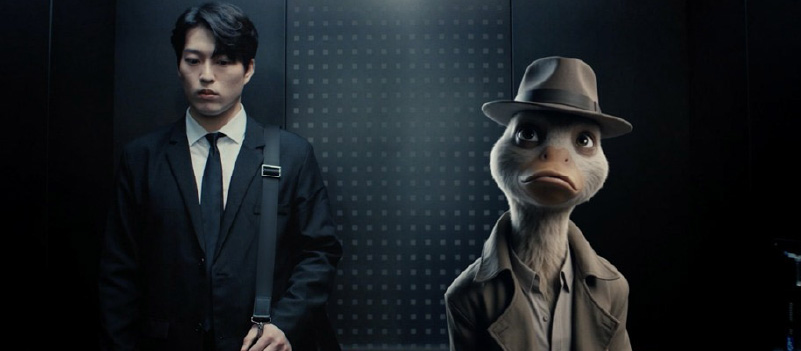
Autodesk has expanded the capabilities of Flow Studio with the introduction of AI Rigging and Neural Layer, two new technologies designed to simplify and accelerate character creation for filmmakers, game developers and digital artists. The latest update strengthens Flow Studio’s position as an advanced AI-powered platform for generating, animating and rendering cinematic-quality 3D characters within a unified workflow.
The announcement follows Autodesk’s earlier introduction of Wonder 3D, which enabled creators to transform text prompts and images into editable 3D models within minutes. While AI-driven asset generation has already improved the speed of concept development, Autodesk believes the real challenge for creators lies in bringing those characters to life through animation, lighting and cinematic rendering.
From static models to cinematic performances
Traditionally, creating animated characters has required highly specialised technical skills across rigging, motion capture, rendering and compositing. These processes can often take days or even weeks to complete.
At the same time, many AI-based tools prioritise automation and speed at the expense of creative control, resulting in generic or inflexible outputs.
Autodesk says Flow Studio’s new AI Rigging and Neural Layer features aim to bridge the gap between automation and professional creative workflows by combining the speed of AI with the flexibility demanded by artists and production teams.
Key features of Flow Studio’s latest update
- AI-powered automatic rigging for 3D characters
- Faster animation workflows using video-driven motion
- Cinematic-quality rendering without traditional pipelines
- Realistic skin, hair, fur and material rendering
- Improved facial animation and micro-expressions
- Dynamic film-style lighting and compositing
- Improved cloth simulation and motion realism
- Export support for Maya, Blender and Unreal Engine
- Streamlined workflows for film, gaming and content creation
- Faster production turnaround for creative teams
AI rigging simplifies character animation
AI Rigging is one of the most significant additions to the platform. Rigging, the process of preparing a 3D character for animation, has traditionally been one of the most technical and time-consuming aspects of character production.
Flow Studio now automates much of this process, allowing creators to prepare animation-ready characters with minimal setup.
AI Rigging allows creators to
- Turn 3D models into animation-ready characters within minutes
- Use video inputs to drive animations directly
- Reduce manual rigging and setup time
- Focus more on storytelling and creative direction
- Export assets into professional production pipelines
By simplifying rigging and animation preparation, Autodesk aims to help creators spend less time on technical setup and more time developing compelling visual experiences.
Neural layer brings faster cinematic rendering
Another major innovation is Neural Layer, Autodesk’s new rendering technology designed to deliver cinematic-quality visuals without the complexity of traditional rendering pipelines.
The technology improves realism through enhanced materials, dynamic lighting and more nuanced facial animation.
Neural layer introduces:
- Realistic skin shading and textures
- Enhanced hair and fur rendering
- Improved facial expressions and micro-details
- Natural physics and cloth simulation
- Film-quality lighting and compositing
- Faster rendering workflows for creators
Autodesk says the technology allows users to achieve high-end visual quality without needing advanced rendering infrastructure or highly specialised technical teams.
Built for modern creative workflows
The updated Flow Studio platform has been designed to support a wide range of creators, from independent filmmakers and content creators to professional visual effects studios and game development teams.
Users can either complete projects directly within Flow Studio or export assets to external digital content creation tools such as Maya, Blender and Unreal Engine for more advanced workflows.
This flexibility allows creators to:
- Maintain creative control throughout production
- Integrate Flow Studio into existing pipelines
- Produce content faster without sacrificing quality
- Scale projects more efficiently
- Support collaborative creative teams
A new chapter for AI-Powered storytelling
Industry analysts believe Autodesk’s broader strategy reflects the growing convergence between artificial intelligence and digital content production. By integrating AI into animation and rendering pipelines, software companies are increasingly enabling smaller creative teams to produce cinematic-quality content at lower cost and with greater efficiency.
The latest developments may prove especially valuable in industries where production timelines are becoming shorter and demand for digital content continues to grow rapidly. Game studios, animation teams and marketing agencies are increasingly looking for tools that can accelerate production without sacrificing creative quality.
With AI Rigging and Neural Layer, Autodesk Flow Studio evolves beyond a simple 3D asset generation platform into a complete character performance solution. By removing technical barriers and simplifying complex workflows, Autodesk aims to give creators more freedom to focus on storytelling, visual expression and immersive digital experiences.
Autodesk has expanded Flow Studio with AI Rigging and Neural Layer technologies, helping creators generate cinematic-quality animated characters faster and more efficiently. The new tools simplify rigging, animation and rendering workflows while improving creative control for filmmakers, game developers and digital artists working in modern production environments.